


Why Caribbean Creativity Should Not Have to Explain Itself

There is a particular pressure placed on artists from places considered culturally specific. Explain this. Translate that. What does this symbol mean? Why is this important in Caribbean culture? Who is this person? What historical event are you referencing? Meanwhile, artists working within dominant Western cultural frameworks are often allowed something far more luxurious: ambiguity. Their work can simply exist.
Caribbean artists frequently become unofficial anthropologists of themselves. The work is expected not only to be interesting but educational. It must introduce the island, explain colonialism, translate dialect, contextualise carnival, clarify race, describe migration and make everything understandable to somebody who may know very little about the region. Context can be valuable, but constant translation changes the work.
The demand for explanation also reveals something larger because it assumes the viewer is elsewhere, usually Europe or North America. A reference familiar to Caribbean audiences becomes niche, while references to European art history remain supposedly universal. But universal to whom? A Caribbean viewer should be allowed the pleasure of immediate recognition. Of seeing an object, phrase, gesture or place and understanding it before the wall text explains it. That intimacy matters.
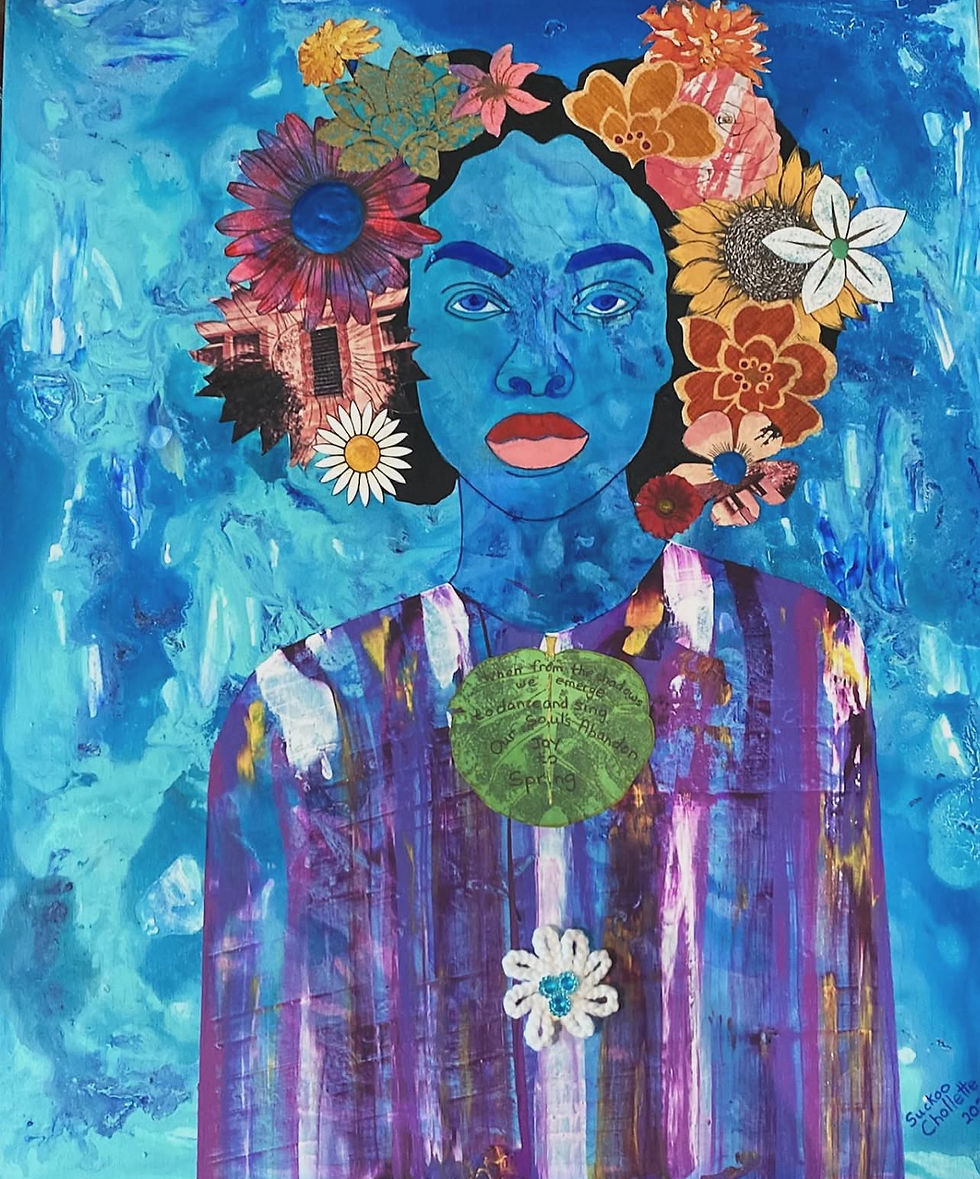
Some of the most powerful cultural work does not become universal by becoming generic. It becomes universal by becoming extremely specific. We recognise somebody else's grandmother because the artist has described their own grandmother so precisely. We understand another place because somebody has refused to simplify it for us. Specificity invites curiosity. It asks the audience to do some work. That is not exclusion. It is respect.
Perhaps Caribbean creativity needs more opacity. More inside jokes. More unexplained references. More work made primarily for people who already understand. More confidence that international audiences can research what they do not know. For generations, Caribbean people have learned how to understand cultural references from elsewhere. We learned their painters, kings, wars, literature and mythology. Surely the rest of the world can occasionally look something up.

Not every Caribbean artwork needs to become a cultural orientation session. Sometimes the work can simply exist in its own language, on its own terms, without translating itself for approval. Sometimes the most powerful statement is the simplest one: if you know, you know.


Comments